
Stainless Steel vs Conventional Materials in Infrastructure Development
Stainless steel vs conventional materials is a comparison that matters because infrastructure affects how we live on a daily basis. Roads, bridges, waterworks, transport nodes, and government buildings all depend on the materials used for construction. When these materials fail, the effects are serious. Repair costs increase. Safety is compromised. Daily life is disrupted.
Historically, the construction industry relied on conventional materials in building construction, such as mild steel, concrete, and primary metal. People easily recognise these conventional materials because builders have used them for years in construction. However, due to challenges in the current demands for infrastructure, this has shifted. Today, infrastructures should have longer lifespans. Their upkeep should be cheaper.
It is here where the debate between stainless steel and more traditional materials becomes relevant.
This comparison of stainless steel vs conventional materials highlights why material selection impacts safety and lifespan. In addition, we will answer one of the top questions planners are commonly asking, and that is why stainless steel is superior to conventional materials in infrastructure. Our aim is straightforward. To help you comprehend the differences.
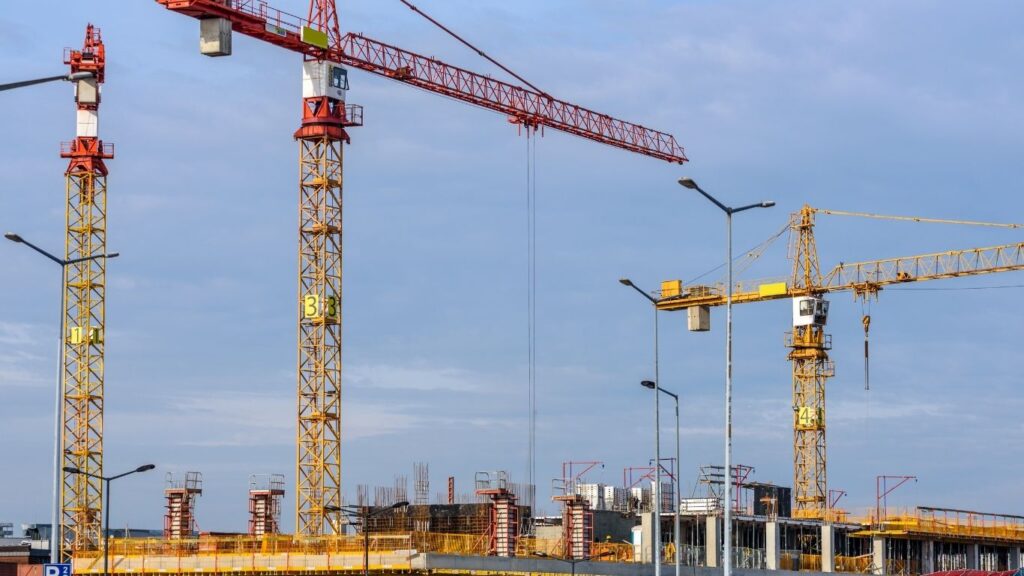
Understanding Conventional Materials in Infrastructure
To compare different materials, we first need to explain what conventional materials are. These usually include mild steel, carbon steel, concrete, cast iron, and other basic metals. Builders and engineers have used these materials for many years, so they know them well. At the start, these materials often cost less.
Builders commonly use concrete to construct roads, bridges, and buildings. Mild steel often forms building frames, supports, and reinforcements. Engineers still use cast iron in older water pipes and drainage systems.
These products work. However, they also have limitations.
With time, concrete can develop cracks. Steel can rust. Maintenance work becomes frequent. In adverse environmental conditions, wear and tear occur faster. Areas near the coast, industries, and regions characterised by high moisture in the atmosphere are particularly demanding.
This is why the choice of material in many contemporary projects is under revision.
What Makes Stainless Steel Unique
Stainless steel is not simply another type of steel. It is made to resist environmental damage.
One major distinguishing factor is its natural rust- and corrosion-resistance qualities. This is inherent in the composition of this type of metal and is not dependent on paints for its strength qualities.
Stainless steel is also resistant to weakening over time. It is not readily weakened by repeated use. It is effective in both high and low temperatures.
Due to these attributes, stainless steel has emerged as the popular choice for modern infrastructure projects.
Stainless Steel vs Common Materials: A Clear Comparison
When comparing stainless steel vs conventional materials, long-term performance matters more than initial cost. For stainless steel vs other types of material, a comparison needs to be made in terms of actual performance rather than price tag.
Durability over Time
Conventional materials require protection, too. Steel has to be painted or coated. Concrete has to be sealed and repaired. They all wear out with time.
Stainless steel does not need such protection. It is rust-resistant by itself. This results in the material having a longer lifetime with fewer errors.
In infrastructure, a long life span is highly important. For instance, a bridge or a pipeline should last for many decades. This is where stainless steel performs well compared to most other materials.
Maintenance Requirements
Infrastructure projects also involve a hidden cost, namely, maintenance.
Traditional steel requires regular inspection. Workers must remove rust and reapply paint. Concrete cracks also need timely repairs.
The material requires little upkeep. A simple washing is all that is required. Furthermore, there is no necessary process between mending and repainting.
In the long run, this ensures a large difference in terms of cost and time.
Performance in Hostile Environments
Many extreme conditions affect infrastructure. These include rainfall, high temperatures, pollution, chemicals, and salt.
Traditional materials have difficulty in such environments. Corrosion and damage to the surface occur.
Stainless steel is a much better option. In fact, many coastal areas, industrial units, and water treatment facilities rely on it. Even in harsh environments where other materials begin to fail, stainless steel continues to retain its strength.
This advantage makes stainless steel a stronger choice than traditional materials for infrastructure projects.
Safety and Reliability
Safety is an essential consideration in infrastructure.
Weakening of materials can cause accidents. Failure can result in loss of lives and destruction of property.
Traditional materials can deteriorate without noise. Rust can accumulate within steel. Cracks can form within concrete.
Performance is more reliable with stainless steel. Its strength is consistent over time. Troubleshooting is more manageable, and surprises are less common.
This makes stainless steel a much safer option for use in public works.
Long-Term Cost Comparison
At first glance, it seems that stainless steel is costlier. The cost of purchase is higher than that of mild steel or other metals.
However, decision-makers should not base infrastructure choices on upfront costs alone.
However, when you include the cost of maintenance, repairs, downtime, and replacement, the comparison changes. Over the full life of a project, stainless steel often proves more economical than other materials.
This long-term cost advantage is one of the strongest reasons to choose stainless steel over conventional materials.
Sustainability and the Environment
Contemporary infrastructure must also factor in the environment.
Conventional materials require chemical coatings and replacements. This generates waste and pollutes the environment.
Stainless steel is recyclable. It can be used repeatedly without diminishing quality. Its longer life span also translates to reduced replacement.
The use of stainless steel results in reduced consumption of materials in the future. This is an element that supports the objectives and ideals of sustainable development.
Use of Stainless Steel in Modern Infrastructure
Various infrastructure areas already make use of stainless steel.
Engineers commonly use stainless steel in water pipelines and sewage systems. It also supports bridges, railways, and transport stations. Power plants and industrial facilities rely on it as well.
Its neat-looking nature makes it suitable for public places. It is modern in appearance and remains very catchy for many years.
With growing cities becoming smarter, the demand for durable and reliable materials is rising. Stainless steel does stand out in this regard.
Why Stainless Steel Is Better Than Conventional Materials in Infrastructure
Let me directly answer the core question now.
The reasons why stainless steel is better than conventional materials in infrastructure come down to a few key points.
It lasts longer and needs less maintenance. It performs better in tough conditions and offers better safety, and also reduces long-term costs.
These benefits are not just theoretical. Real-world projects across many countries and industries have proven them.
That does not mean there is no place for conventional materials. In some instances, they are still useful. Where critical infrastructure is concerned, however, stainless steel often provides better overall value.
Challenges and Misconceptions
Although stainless steel has numerous advantages, there may sometimes be a misunderstanding related to stainless
Some think it costs too much. Others find it hard to use. People often hold these views because they rely on old information.
Recent advancements in manufacturing have made stainless steel easier to obtain. There has been an improvement in the techniques of fabrication. Expert suppliers ensure that everything goes smoothly.
Stainless steel is not a luxury product if considered from the proper perspective. Stainless steel is a viable material for long-term infrastructure development.
Selecting the Right Material for the Right Job
The choice of materials should always correspond to a project’s requirements.
Short-term projects can still employ traditional materials. Budgetary constraints may be taken into consideration.
However, for long-life projects such as infrastructure, stainless steel should be considered as an option
Engineers & Planners should look beyond the initial cost. They should focus on durability, safety, & maintenance.
When all these factors are taken into account, stainless steel is very likely to be the intelligent choice.
The Future of Infrastructure Materials
The demand for infrastructure will only continue to rise. The city population is growing. The climate is becoming more extreme. The budget for maintenance will come under pressure.
Such challenges demand improved materials.
The future demands can well be met by using the properties of stainless steel. The capabilities and sustainability of the material qualify it for the needs of the modern era.
The transition from traditional materials to using stainless steel has actually begun. This trend will continue, especially with the increase in awareness.
Conclusion
A comparison between stainless steel and traditional materials is not an issue of tradition vs. innovation. It is an issue of choosing what will be best for future success.
Traditional materials have proven to be adequate. However, new infrastructure demands something different.
Stainless steel offers durability, safety, and long-term value. Lower maintenance needs help reduce overall costs. Strong performance in harsh conditions makes it a reliable choice. Sustainable development goals are also supported through their long service life and recyclability.
For planners, engineers, and decision-makers, understanding these facts is essential when selecting materials for infrastructure projects.
When infrastructure is constructed sustainably, the whole community will reap the rewards
